SPM Machine Acceptance Testing: 6 Checks Before Handover
A special purpose machine is built around a particular manufacturing task. Its handover should therefore be based on agreed evidence: the right parts, the expected output, the required operating behaviour and a clear record of outstanding work.
For production managers and engineering teams, acceptance planning starts well before the demonstration day. The following six checks can help structure discussions with your supplier. JBDS Power offers customized SPM machines and automation integration for industrial applications.
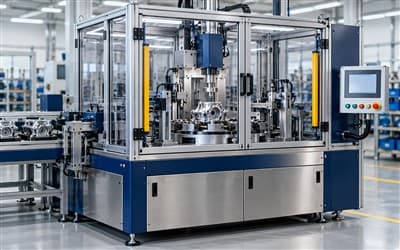
These branded images are AI-generated concept illustrations, rather than photographs of completed JBDS Power installations.
1. Agree the Acceptance Plan Before the Trial
Start with the approved machine requirements, component drawings and scope of supply. Identify the product variants, tooling and operating conditions that the trial must cover. Agree which checks will happen at the supplier’s premises and which need the final installation site.
A factory acceptance test (FAT) can review the machine before dispatch. A site acceptance test (SAT) can address installation and interfaces under the agreed site conditions. Define the scope of both in the project plan rather than assuming that either term guarantees a particular test programme.
Record who will witness each check, what evidence is needed and who can approve the result. Allocate responsibility for supplying components, consumables and measuring equipment. Set a process for logging open points and arranging any repeat trial.

2. Check Product Quality Across the Agreed Range
Prepare representative components from the product variants included in the order. Use the approved drawings and inspection criteria to decide what to measure. Identify critical features and any appearance or assembly requirements that need separate review.
Agree the inspection method and suitable measuring equipment with the quality team. Record the results against identifiable parts so the trial can be reviewed afterwards. A few attractive samples are not a substitute for the sampling and acceptance criteria agreed for the project.
If the machine supports changeovers, include them in the trial. Check that the intended tooling, settings and part identification arrangements support the agreed variants. Document any limitation instead of leaving it as an informal understanding.

3. Measure Output Under Defined Conditions
Clarify exactly what the output target means. Machine cycle time, total trial duration and accepted parts per hour describe different aspects of performance. Agree the start and end points for timing, and whether loading, unloading, inspection and routine replenishment are included.
Use a representative production arrangement and record interruptions as well as output. Separate rejected parts, waiting time and adjustments in the trial record. This makes the result easier to interpret and helps identify whether a constraint belongs to the machine or another process stage.
Agree the trial length and required operating conditions in advance. Do not extrapolate a short demonstration into an unsupported production guarantee. Any revised target should be documented and accepted through the project’s normal approval process.

4. Review Controls and Protective Functions
Ask the responsible engineering team to demonstrate the agreed operating modes, operator messages and fault recovery sequence. Review how authorised users select recipes or adjust parameters, and confirm which settings need controlled access.
Protective functions need a machine-specific assessment and validation by competent personnel. Agree the required evidence and demonstrations with the supplier and site safety team. Never bypass guards or interlocks to complete an acceptance trial.
Record the controls documentation and software backup arrangements included in the supply. Confirm who will receive backups, what is needed to restore the system and how later changes will be tracked. Use the approved machine instructions for all operating activities.

5. Confirm Site Readiness and Line Interfaces
Check the agreed installation layout, access requirements and utility specifications against the actual site. Establish who provides foundations, connections and any work on surrounding equipment. Resolve discrepancies before installation or before the relevant site trial.
List the signals and product transfers exchanged with connected machines. Include upstream and downstream availability, queue conditions and agreed restart behaviour in the review. A machine working by itself does not demonstrate a complete production line interface.
Document the checks that can only be completed at site and the people responsible for them. Keep an agreed record of installation constraints and outstanding dependencies so handover decisions are based on visible evidence.

6. Complete Training, Documentation and Open Points
Review the documents specified in the order, including operating instructions, maintenance information, drawings and the agreed spare-parts list. Confirm that the supplied versions match the machine configuration at handover.
Arrange training for the relevant operators and maintenance personnel. Ask participants to work through the approved procedures within their authorised roles. Record training attendance and identify any additional instruction needed before routine production.
Close the trial with a written result. List completed checks, unresolved items, owners and target dates. Distinguish items that prevent acceptance from actions that can follow under an agreed arrangement. Keep the signed trial record with the project documentation.

What to Prepare for Your SPM Acceptance Review
Bring the approved requirements, current component drawings, representative parts, inspection plan and interface list. Add the agreed trial criteria, installation responsibilities and document schedule. A single shared checklist helps purchasing, production, quality and engineering teams review the same expectations.
Plan Your SPM Project with JBDS Power
JBDS Power provides customized machine development, automation integration, testing and commissioning support. Explore our special purpose machine solutions or contact JBDS Power with your application, component details and production requirements to discuss your project.