SPM Fixture Design: Getting Part Location and Clamping Right
A component looks straightforward on a drawing. On the shop floor, someone still has to pick it up, seat it correctly, clamp it and check the finished result. If those steps are awkward, even a fast machine can spend too much of the shift waiting.
That is why SPM fixture design deserves an early conversation. A fixture positions and holds the workpiece for the operation. Its design affects how reliably the part can be presented to the tooling and how easily the operator can repeat the job. For buyers planning a special purpose machine, the useful starting point is the component and its process, rather than a preferred clamp or an assumed cycle time.
Begin with the part you actually make
Send the latest drawing revision, but include representative samples where possible. A drawing communicates the intended geometry; samples help the machine builder understand what arrives at the station. Cast surfaces, burrs, previous machining operations and variation between batches may all matter to the fixture discussion.
For example, a bracket may have one finished face and several rough surfaces. Ask which features will establish its position and whether those features are available consistently at this stage of production. Include the range of parts the fixture must accept, rather than showing only the easiest sample.

Separate part location from clamping
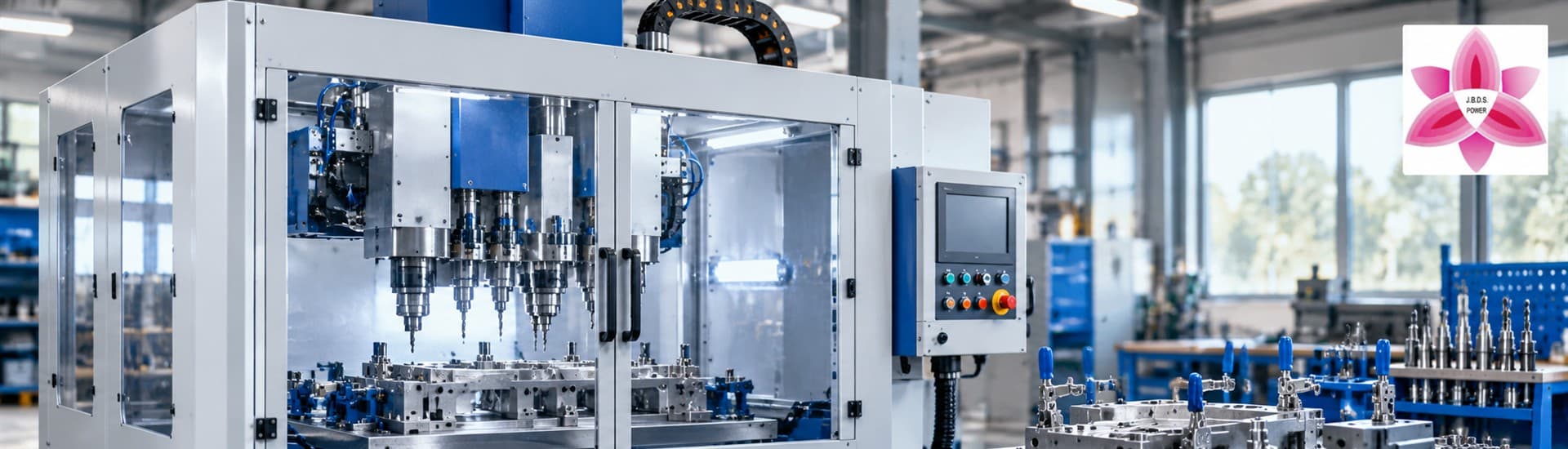
Locators establish where the component sits. Clamps hold it in that position. Treating these as separate design questions helps keep the discussion clear: where should the part contact the fixture, and how will it be held during the operation?
The fixture designer needs to consider the operation, the workpiece geometry and the forces involved. Buyers should avoid specifying an arbitrary pin arrangement or asking the operator to judge the position by eye. Instead, agree which drawing features matter to the finished result and ask the supplier to explain the proposed locating approach.
Make room in the review for practical details such as removing chips from contact points and checking that the component is seated. A small obstruction under a part can turn a routine loading step into an avoidable quality problem.

Discuss support before asking for more clamping force
A clamp that feels secure is only one part of the arrangement. The workpiece also needs suitable support. Thin sections or unsupported areas may respond differently from a solid block, so more force is not automatically the answer.
Tell the machine builder about delicate features, cosmetic surfaces and any distortion concerns. Ask how the component will be supported near the operation and how the proposed clamping method will be checked with representative parts. Leave force calculations and detailed fixture engineering to the responsible designer.
It also helps to discuss what happens after the clamps release. Inspection should assess the part in the agreed condition, so a component that looks acceptable while restrained does not hide a problem in the finished process.
Walk through loading with the operator in mind
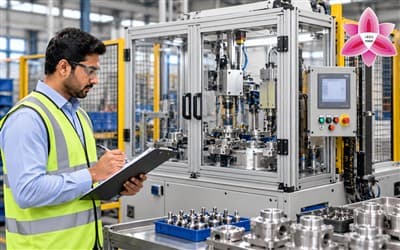
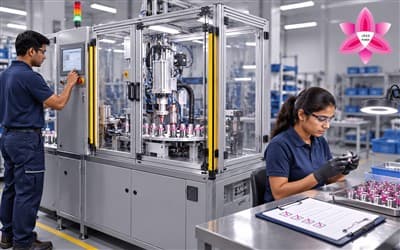
Imagine the first hour of an ordinary shift. Where are incoming parts kept? Can the operator see the locating surfaces? Is it obvious which way the component should face? Where does the finished part go?
Review the sequence from picking up the part to removing it after the cycle. Discuss access, reach, part weight and handling aids where needed. If two orientations look similar, ask how the design can help prevent an incorrect load. Depending on the process, mechanical features or sensing may be useful, but their suitability must be reviewed for the application.
Guarding, interlocks and safe access belong in the machine design review. A convenient loading position should be considered together with the operating procedure and the assessment of machine risks.
Plan fixture changeovers before production starts
If the SPM will run several component variants, share them at the quotation stage. A fixture intended for one part should not quietly become a promise to handle an entire family without further review.
Ask what changes between variants: the complete fixture, a locating element, a support or a program selection. Discuss how the correct setup will be identified and how the first part will be verified after the change. Include the time spent finding components and confirming the setup when discussing changeover expectations.
Our SPM changeover planning guide covers the wider conversation about part families, batch sizes and production routines.
Agree how the fixture will be accepted
Before manufacture, agree what a successful trial should demonstrate. That might include loading representative parts, completing the intended operation and inspecting the features that matter to your process. Define the sample range, measurement method and responsibilities with the supplier.
Keep the review practical. Can the operator load and unload without unnecessary adjustment? Can contact surfaces be accessed for routine cleaning? Are replaceable items and maintenance instructions identified? Does the trial include the variants that were agreed in the scope?
A single good part is useful evidence, but it does not answer every production question. Agree the trial conditions and acceptance criteria in advance, including any checks needed after changing the setup.
What to share with JBDS Power
A useful SPM enquiry includes current drawings, representative samples, the operations required, the expected part range and your production target. Add the inspection requirements and describe the handling steps that are difficult today.
Explore JBDS Power special purpose machine solutions or contact our team about your component. Starting with the real part and the daily workflow gives the fixture discussion a clearer direction.
Images are illustrative concepts, not photographs of completed JBDS Power installations. Fixture details require application-specific engineering.