
SPM Changeover Planning: 6 Questions for Multi-Part Production
A special purpose machine is designed around a defined production task. When a project must handle more than one component, changeover requirements deserve attention at the enquiry stage. The aim is to understand the proposed part range, the work needed between batches and the checks that release the next run.
JBDS Power develops customized special purpose machines for industrial applications. Use these six questions to prepare a discussion with your production, engineering and quality teams before the machine scope is finalized.
1. Which Part Families Must the Machine Handle?
Start with a defined component list rather than a broad request for flexibility. Share current drawings, revision numbers, representative samples and the operation required on each part. Record the features that vary, including dimensions, material, orientation and inspection requirements. A common appearance does not necessarily mean that parts can share the same process or fixture.
Separate confirmed production parts from possible future variants. Ask the supplier to explain which variations the proposed machine can accommodate, what changes would be needed and which parts fall outside the agreed scope. Keep that compatibility list with the project records so later additions receive an engineering review.
Planning question: Is every proposed part included in an agreed compatibility matrix?

2. How Often Will Production Change Between Parts?
Describe the expected batch sizes, product mix and changeover frequency. A line that runs one component for several weeks has a different planning brief from a machine that changes variants several times during a shift. Share the expected sequence and identify demand peaks, sample runs and likely future changes.
Define the boundaries of the changeover time you want to discuss. Does the measurement start with the last acceptable part of the previous batch and finish with the first approved part of the next batch? Does it include cleaning, tooling, checks and documentation? Agree the definition before comparing estimates; no single time target suits every application.
Planning question: Are batch demand and the definition of changeover time written down?

3. What Must Change in Fixtures, Tooling and Part Presentation?
Ask for a clear list of the physical items that differ between variants. Depending on the process, this may involve fixtures, tooling, feeders, guides or inspection equipment. Request an explanation of how the correct items will be identified, stored and made available when production needs them.
Discuss access, handling requirements and the responsibilities of trained personnel. A planned off-machine preparation area may help organize the work, but the actual method must follow the machine-specific procedure. Physical interventions require the prescribed safe state and isolation arrangements; a production planning checklist cannot replace the machine instructions or competent safety review.
Planning question: Is there a controlled list of change parts and an approved method for handling them?

4. How Will the Correct Setup Be Selected and Confirmed?
Clarify which settings, programs or recipes belong to each part family. Ask how an authorized operator identifies the correct selection and how revisions will be controlled. If the proposed design includes recipe selection or part identification, have the supplier explain the intended behavior and its limits rather than assuming that selecting a name proves the complete setup is correct.
Agree who can change production parameters, how approved settings are backed up and what records should accompany a revision. Include the interaction with adjacent equipment where relevant. Any safeguards, interlocks and validation requirements must be defined for the actual machine and process; they should not be inferred from a generic control-screen illustration.
Planning question: Are setup selection, permissions and revision responsibilities clearly assigned?

5. What Releases the First Part After a Changeover?
Define the checks required before the next batch is released. Share the relevant drawing characteristics, inspection methods, sample quantities and acceptance criteria with the engineering and quality teams. Identify who has authority to approve the setup and what happens when the first sample does not meet the agreed requirements.
Plan how trial pieces will be distinguished from accepted production and how the result will be recorded. Where the application requires it, include a demonstration using representative variants in the acceptance plan. A successful demonstration for one part should not automatically be treated as evidence for every other part on the compatibility list.
Planning question: Is there a documented first-piece approval process for each agreed variant?

6. What Training and Records Will Support Repeatable Changeovers?
Ask what the handover package will contain: operating instructions, setup sheets, fixture lists, approved parameter records, maintenance information and training records. Make the document revision and machine identification easy to find. Define where the current approved information will be available to the people carrying out the work.
Agree who will receive training and how practical competence will be checked for their assigned tasks. Include escalation contacts for missing change parts, unexpected behavior or uncertain instructions. Review the plan when a new component, tool or process revision is introduced, rather than relying on informal adjustments made during a busy shift.
Planning question: Can trained staff find the correct procedure and record the completed setup?

Bring the Changeover Brief Into the Project Scope
Combine the part matrix, batch plan, change-parts list, control requirements, approval criteria and training needs into one controlled brief. Mark assumptions and unresolved points clearly. This gives the supplier a basis for discussing feasibility and scope without promising flexibility that has not been assessed.
Connect these requirements to your machine acceptance and handover discussions. When you are preparing a new SPM project or reviewing a proposed part range, contact JBDS Power to discuss the application, drawings and next steps.
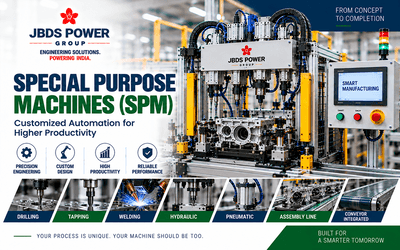
Images are AI-generated planning concepts with JBDS branding; they do not depict completed customer installations.