RECD Site Survey Checklist: 6 Details to Share Before a Quote
A facility team asks for an RECD quotation and sends one detail: the generator rating. The supplier comes back with questions about the engine, the exhaust route and the space available. Several emails later, the site visit can finally be arranged.
You can make that first conversation more productive with a small enquiry pack. It does not need to be a detailed engineering report. Clear photos, current records and a description of how the DG set is used give the survey team a better starting point.
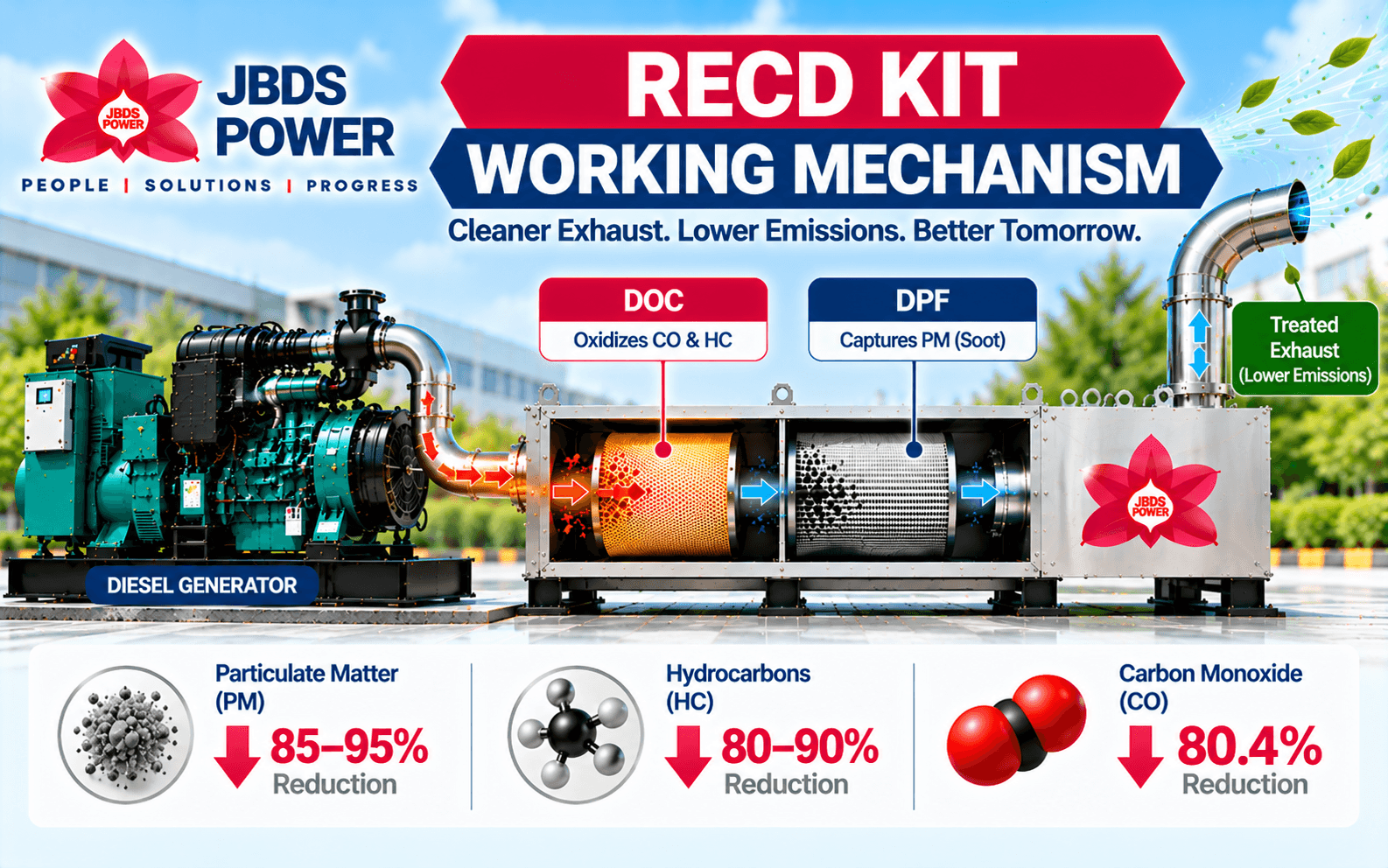
A retrofit emission control device (RECD) treats exhaust from a suitable existing diesel generator. The proposed device and installation need to be reviewed for the particular engine and site. Use this RECD site survey checklist to organise what you share before asking for a firm scope and quotation.
1. Identify the generator and engine clearly
Take readable photos of the generator and engine identification plates. Include the make, model, serial number and available rating information. Add the installation year if you have it, together with any relevant equipment documentation.
If your site has several generators, give each one a simple location reference, such as “DG-1, rear utility yard”. Use the same reference on the photos and records. It helps prevent a survey note for one machine from being attached to another quotation.
The kVA rating is useful, but send the supporting identification details too. Ask the supplier to confirm the proposed device's applicability to that engine and explain which technical documents are needed for the review.

2. Describe an ordinary operating week
Explain when the generator runs and what it normally supports. A set used for occasional backup may have a different operating pattern from one supporting regular production. Share available running-hour logs, typical run durations and recorded load information.
Where the site has no reliable load record, say so. An estimate is helpful when labelled as an estimate. Ask the survey team what measurements they need and how those will be collected during representative operation.
For catalyst and filter-based systems, operating conditions matter to the suitability review. Avoid choosing a device from a catalogue rating alone. Let the responsible supplier assess the recorded conditions against the requirements of the proposed system.

3. Photograph the whole installation area
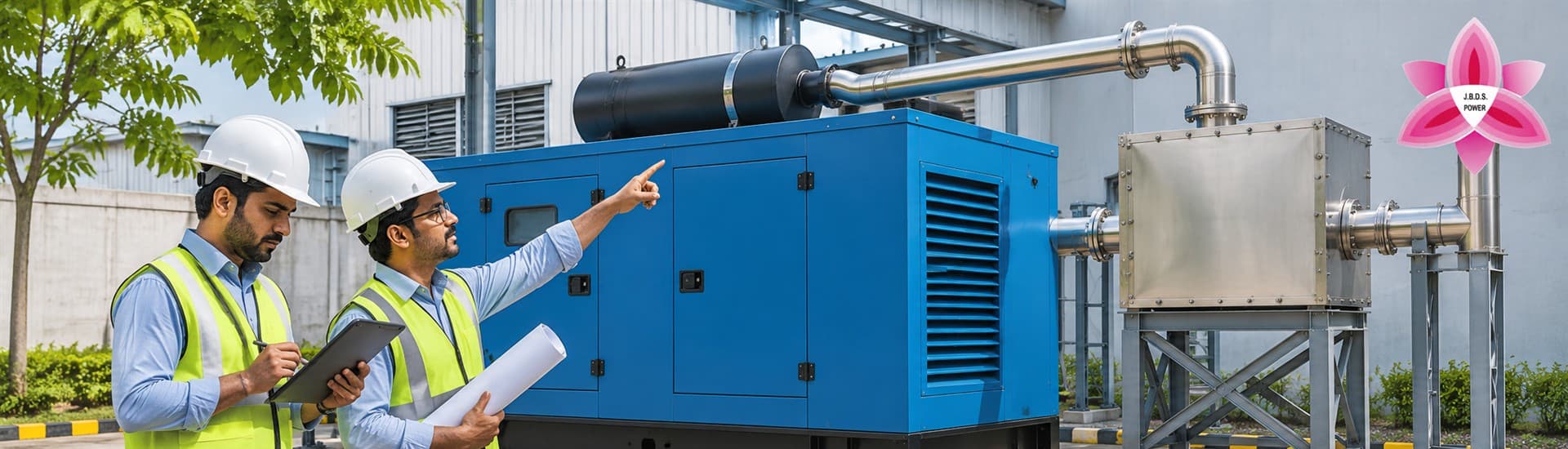
A close-up of the exhaust connection tells only part of the story. Add wide photos showing the DG enclosure, the existing exhaust route, nearby walls, overhead obstructions and the surrounding service area. Photograph the approach to the location as well.
Mark approximate dimensions on a simple sketch and identify which measurements still need confirmation. Show doors that must open, equipment that must remain accessible and any route used to remove service components. These details help the survey team arrive prepared.
For example, a clear space beside the canopy may also be the route used for regular servicing. Flag that shared use before it becomes a proposed equipment position. The survey should establish a workable layout and identify the engineering checks needed for exhaust routing and support.

4. Bring the maintenance history into the conversation
Share recent service records and any unresolved issues already reported by the generator maintenance team. Include observations about unusual oil consumption, recurring faults or changes in operation. The aim is to give the supplier an accurate picture of the equipment being assessed.
A retrofit proposal should be considered alongside the condition of the existing engine and exhaust system. Ask whether an inspection or remedial work is needed before installation, who will carry it out and whether it is included in the quotation.
Keep responsibilities visible. The facility's maintenance provider may hold records that the purchasing team does not have. Involving that person early can resolve questions during the survey instead of after the equipment has been ordered.

5. Make the installation scope easy to compare
Ask for a quotation that separates the device supply from the site work. Depending on the proposed arrangement, the discussion may include transport, unloading, positioning, supports, exhaust modifications, electrical connections and commissioning. Ask the supplier to identify what applies to your installation.
Explain the site's delivery rules, available access times and any restrictions on taking the generator out of service. Nominate someone who can coordinate the visit with maintenance, security and the team responsible for power availability.
When comparing offers, put the inclusions and exclusions side by side. A lower figure can be difficult to assess if one offer includes site work and another leaves it for the customer to arrange. Resolve those differences before making the purchase decision.

6. Agree what you will receive at handover
Discuss commissioning and handover during the enquiry stage. Ask which checks will be recorded, which documents will be supplied and who will explain routine operation to the facility team. Confirm how any monitoring indications should be understood and where to get support.
Request the maintenance instructions for the actual device supplied. Agree the service responsibilities, warranty terms and the process for reporting a fault. Keep the final documents with the generator's asset record so a future maintenance team can find them.
Also ask the supplier to explain the supporting test or certification documents for the proposed model and their applicability to your engine. Local requirements should be checked for the site and the current rules before the order is finalised.

Prepare your RECD enquiry with JBDS Power
Start with a folder containing the nameplate photos, operating records, layout sketch, service history and your preferred installation window. Add a short list of questions that need to be resolved during the visit.
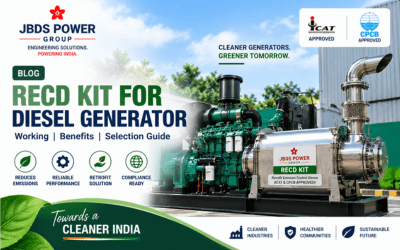
Explore JBDS Power RECD solutions for diesel generators or contact our team to discuss your site. For background on the equipment, read our RECD kit working principle and selection guide.
Images illustrate typical survey and handover scenarios.