
Conveyor Specification Checklist: 6 Details to Share Before a Quote
A useful conveyor quotation begins with a clear brief. When product data, plant constraints and project responsibilities are missing, suppliers may make different assumptions, making prices difficult to compare. This six-part conveyor specification checklist helps purchasing, production and engineering teams prepare the information needed for a focused discussion.
JBDS Power offers customized conveyor systems for material handling applications. The points below are an enquiry preparation guide; the final arrangement should follow a review of your products, process and site.
1. Define the Product Range and Share Samples
A conveyor enquiry starts with the items being moved. Record the minimum and maximum length, width, height and weight, including packaging. Describe the underside: a flat carton, a tray with feet and an irregular component present different handling questions. Include photographs and representative samples where practical.
Explain whether products arrive individually, in batches or on pallets. Note any tendency to tip, roll, leak or mark easily. If several product families will share the line, list them separately rather than supplying only an average size. This gives the supplier a more useful starting point for discussing the conveying surface, guidance and transfer arrangement.
Enquiry output: a product matrix with dimensions, weights, packaging details and sample availability.

2. Describe Production Demand in Measurable Terms
State the required output using a clear unit, such as cartons per minute or trays per hour. Explain how that target was calculated and distinguish normal demand from short peaks. Include shift patterns, product changeovers and the expected direction of travel. A daily total alone may hide busy periods that affect the proposed arrangement.
Describe what happens when the next process pauses. Can the upstream machine stop, must items wait, or will an operator remove them? Share the current operating sequence so the engineering discussion can consider the whole process. Any quoted output should later be tied to agreed products, loading conditions and acceptance criteria.
Enquiry output: normal and peak demand, operating hours and a description of stop-and-start conditions.

3. Provide the Layout and Transfer Details
Share a current layout with the proposed start and finish points, available floor area and approximate elevations. Mark columns, doors, workstations and pedestrian routes. Include the equipment that feeds and receives the conveyor, and identify who will supply each connecting interface. Dated photographs can clarify details that a drawing does not show.
Transfer points deserve specific attention. Explain how items enter, leave, turn or move between levels, and whether an operator handles them. Record constraints rather than prescribing a solution before review. Final dimensions, installation access and working clearances should be checked with the responsible site and engineering teams before the design is approved.
Enquiry output: a marked layout, interface photographs and a list of dimensions requiring site verification.

4. Explain the Operating Environment
Describe the surroundings in which the conveyor will operate. Relevant questions include exposure to dust, moisture, cleaning agents, temperature changes and outdoor weather. Explain the actual cleaning method and frequency. A general phrase such as heavy-duty or washable leaves too much room for interpretation when comparing proposals.
Also describe product contact requirements and any site-specific material preferences. If your process has hygiene, corrosion or other specialist requirements, state the applicable specification and ask the supplier to confirm how it will be addressed. Avoid assuming a particular material or enclosure automatically makes a complete system suitable for the environment.
Enquiry output: documented environmental conditions, cleaning practices and any applicable site specifications.

5. Set Out Controls and Integration Responsibilities
Explain how operators should start, stop and supervise the line, and which existing machines it must communicate with. Identify the available information about electrical supply, control interfaces and site automation preferences. Share the intended operating sequence, including what should happen when upstream or downstream equipment is unavailable.
Ask the engineering team to define the appropriate control and safeguarding arrangements for the application. Agree who is responsible for interface signals, guarding, emergency-stop integration, risk assessment and validation. This planning checklist is not a wiring or machine-safety design instruction; detailed decisions require competent review of the actual installation.
Enquiry output: an operating sequence and a responsibility list for controls, interfaces and safety review.

6. Make the Quotation Scope Easy to Compare
Ask suppliers to identify what their proposal includes: design, manufacture, delivery, installation, commissioning, training and documentation. Record exclusions and customer responsibilities alongside the price. A comparison is more useful when each proposal uses the same product range, layout assumptions, scope boundaries and acceptance conditions.
Agree how performance will be demonstrated, which samples will be available, and who will attend the handover. Discuss access for installation, the expected shutdown window, spares and support arrangements. If some information is still provisional, label it clearly and request a process for managing changes before manufacture proceeds.
Enquiry output: a scope checklist with assumptions, exclusions, milestones and proposed acceptance criteria.

Prepare One Brief Before Requesting Proposals
Combine the product matrix, demand figures, layout, environment notes, operating sequence and scope checklist in one revision-controlled document. Name a contact for technical questions and record any open points. This gives every supplier the same starting information and makes changes easier to track.
For background, explore our guide to customized conveyor types and applications. When your brief is ready, contact JBDS Power to discuss your conveyor requirements and the next steps for a project review.
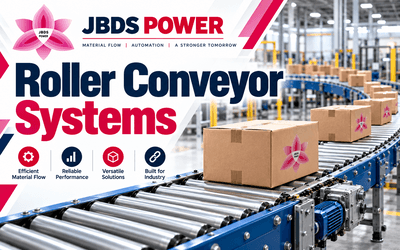
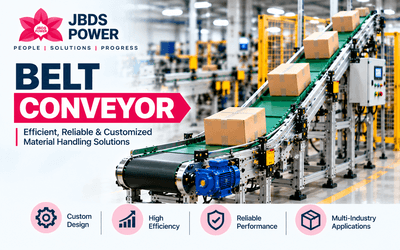
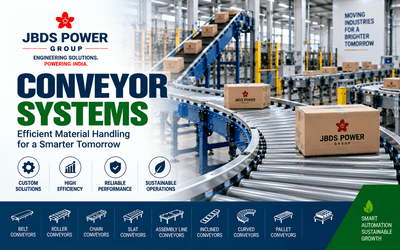
Images are AI-generated planning concepts with JBDS branding; they do not show completed customer installations.